
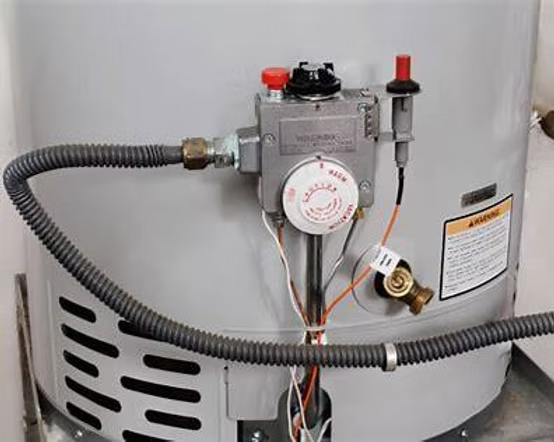

In today’s world, DIY projects are more popular than ever, and DIY water heater repair is no exception. From fixing a leaky faucet to building backyard decks, homeowners are taking repairs into their own hands to save time and money. While some home projects are perfectly safe to tackle on your own, water heater repairs are not one of them. Attempting DIY work on a water heater can put your home, your finances, and your safety at serious risk.
Table of Contents
DIY Water Heater Repair Risk: Gas Exposure
One of the biggest dangers of DIY water heater work is gas exposure. Gas water heaters rely on precise connections and ventilation. A small mistake, such as an improperly sealed gas line or misaligned burner. Can lead to gas leaks or carbon monoxide buildup. Carbon monoxide is odorless, invisible, and extremely dangerous, often causing symptoms only after exposure has become life-threatening.
DIY Water Heater Repair Risk: Electrical Shock and Fire
For electric water heaters, the risk shifts to electrical shock and fire hazards. Water heaters draw high voltage, and incorrect wiring or breaker work can result in severe injury or even electrical fires. Turning off the power isn’t always enough, residual current and faulty components can still pose a danger to untrained hands.
Water Pressure and Temperature Hazards
Another commonly overlooked risk is water pressure and temperature. Water heaters operate under significant pressure, and relief valves are designed to prevent dangerous buildup. If a pressure relief valve is installed incorrectly or tampered with, the water heater can become a serious explosion hazard. In rare but documented cases, malfunctioning water heaters have caused catastrophic structural damage to homes.
Flooding and Water Damage From DIY Repairs
DIY repairs can also lead to flooding and water damage. A poorly installed drain valve, loose fitting, or incorrect tank connection can result in slow leaks that go unnoticed for weeks. By the time the problem is discovered, homeowners may be facing thousands of dollars in water damage, mold growth, and flooring replacement. This usually far exceeds the cost of professional service.
Financial and Legal Risks of DIY Water Heater Repair
Beyond physical danger, there are financial and legal risks to consider. Most water heater manufacturers require professional installation to keep warranties valid. DIY work often voids warranties, leaving homeowners responsible for full replacement costs. Additionally, unpermitted or non-code-compliant repairs can cause issues during home inspections or insurance claims.
DIY Water Heater Repair: Risks at a Glance
- Gas exposure: an improperly sealed gas line or a misaligned burner can be dangerous.
- Electrical shock and fire: incorrect wiring or breaker work can cause severe injury or electrical fires.
- Pressure and temperature: a pressure relief valve that is installed incorrectly or tampered with can create a serious explosion hazard.
- Flooding: a poorly installed drain valve, loose fitting, or incorrect tank connection can cause slow leaks that go unnoticed for weeks.
- Financial and legal: DIY work can void warranties, and unpermitted or non-code-compliant repairs can cause problems during inspections or insurance claims.
When in doubt, leave DIY water heater repair to a licensed professional.
At Just Water Heaters, we’ve seen firsthand how a small DIY water heater repair can turn into a major one. What may seem like a simple fix can quickly become a safety hazard when dealing with gas lines, electrical components, and pressurized tanks. Professional technicians are trained to follow local codes, ensure proper ventilation, test safety controls, and install equipment correctly the first time.
When it comes to your water heater, the safest and smartest choice is to leave it to the experts. Protect your home, your family, and your investment by calling a licensed professional who specializes in water heaters, because some jobs are simply too important to DIY.