
Frequently Asked
Questions
Pricing, Upgrades & Savings
What is included in the flat-rate water heater replacement?
Our flat rate includes the removal and disposal of your old water heater, delivery and installation of the new unit, new supply lines and fittings, system startup, and testing to ensure proper operation.
Are local utility rebates or federal tax credits available for new installations?
Rebates and federal tax credits may be available for qualifying energy-efficient water heaters. Eligibility depends on the specific equipment, location, and current local utility or federal program guidelines.
How can I lower my hot water heating costs during cold Idaho winters?
- Lower your water heater thermostat setting.
- Insulate accessible hot water pipes.
- Install low-flow fixtures and take shorter showers.
- Schedule regular annual maintenance and tank flushes.
Water Heater Selection & Installation
Why do you use 100% USA-made water heaters?
USA-made water heaters support American manufacturing and provide high-quality, reliable solutions with superior materials, dependable manufacturer support, and readily available replacement parts.
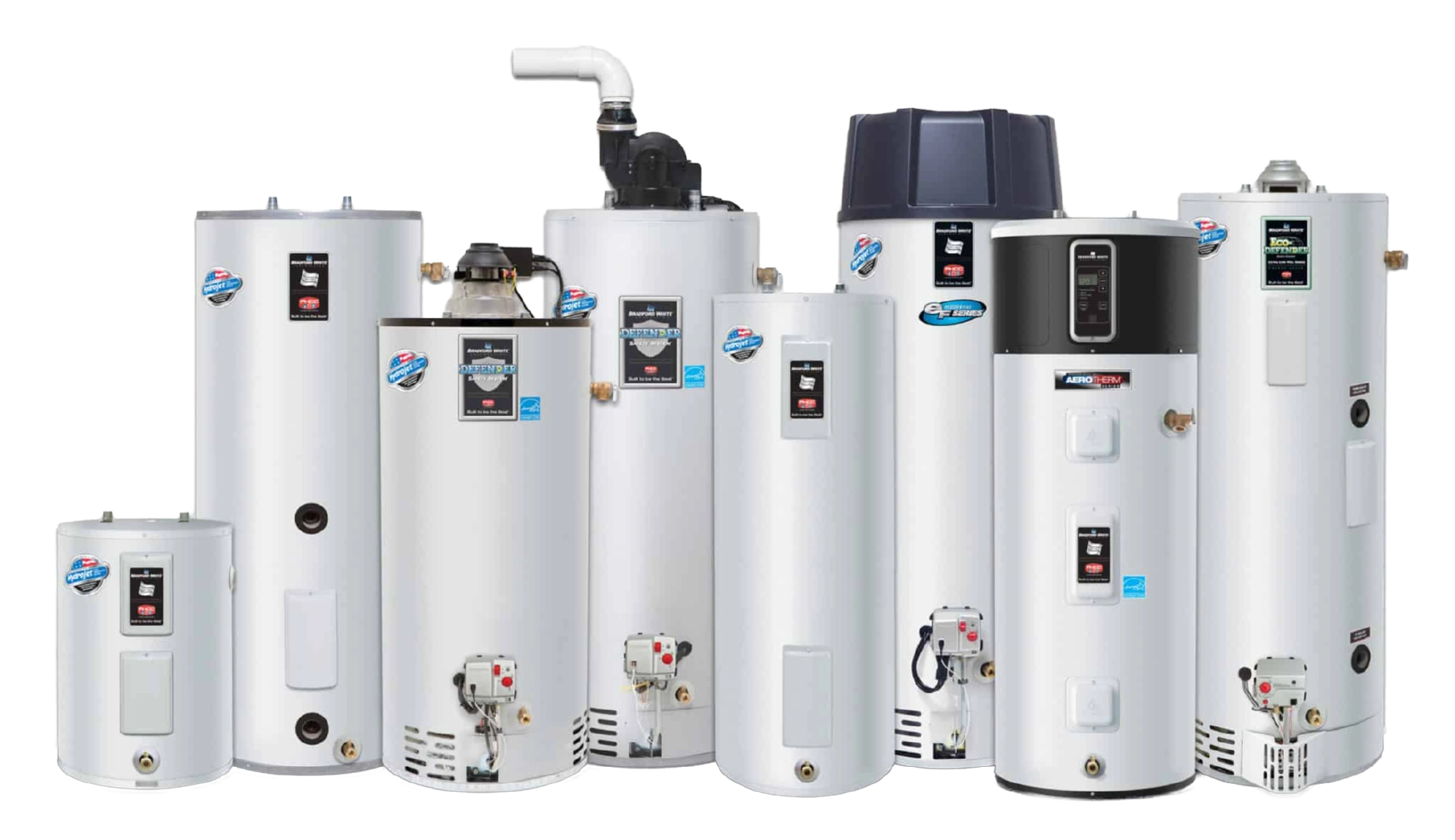
Should I choose a traditional tank water heater or a tankless system?
- Traditional Tank: Has lower upfront installation costs and continuously stores heated water, making it a reliable standard option.
- Tankless System: Heats water on demand for continuous hot water, uses space efficiently, and increases energy efficiency, but requires a higher initial investment.
What size water heater do I need for my home?
Proper sizing depends on the number of people in your home, number of bathrooms, typical hot water habits, and high-demand appliances. A professional assessment ensures you don’t run out of hot water or waste energy on an oversized unit.
Can I convert my water heater from electric to gas or vice versa?
While conversion is possible depending on your home’s utilities, electrical capacity, and venting, we specialize in direct replacements and do not push unnecessary fuel conversions—unless you are upgrading to a tankless system.
How long does it take to replace a standard water heater?
A standard replacement can usually be completed in a few hours when compatible with your existing setup. Conversions, code upgrades, or complex plumbing adjustments may require extra time.
Maintenance, Hard Water & Water Quality
How does hard water affect my water heater?
Hard water contains dissolved minerals like calcium and magnesium that settle inside the tank. Over time, this buildup reduces energy efficiency, strains heating components, and shortens the overall lifespan of the tank.
Why is an annual water heater flush necessary?
Flushing removes sediment and mineral deposits from the bottom of the tank. This maintains heating efficiency, prevents unusual noises, reduces strain on heating elements, and helps extend the system’s service life.
What is an anode rod and when should it be replaced?
An anode rod is a protective component inside traditional tanks that attracts corrosive elements to prevent the tank itself from rusting. It should be inspected periodically and replaced once it has significantly deteriorated.
What causes hot water to smell like rotten eggs and how do you fix it?
The smell is typically hydrogen sulfide gas, produced when naturally occurring sulfate-reducing bacteria react with internal water heater components (such as the anode rod). A professional can inspect or replace the rod and flush the system to solve the issue.
Troubleshooting & System Issues
What are the signs that my water heater is about to fail?
- Inconsistent water temperatures or running out of hot water quickly
- Visible leaks or standing moisture around the tank base
- Rusty or discolored hot water
- Unusual popping, rumbling, or banging noises
- Unit age nearing or exceeding its expected lifespan
What should I do if my water heater is leaking?
- Shut off power/gas: Turn off the breaker or safely shut off the gas supply according to manufacturer instructions.
- Turn off the water supply: Shut off the incoming cold water valve to prevent further flooding.
- Contact a professional: Call our team right away to assess the leak and determine if a repair or full replacement is needed.
Why is my hot water running out so much faster than it used to?
This can be caused by excessive sediment accumulation in the tank, a failing heating element or burner, a faulty thermostat, or an sudden increase in household water demand.
Why is my water heater making a loud popping or rumbling noise?
Popping or rumbling sounds occur when water gets trapped and boils beneath a layer of mineral sediment at the bottom of the tank. An annual tank flush helps remove this buildup and eliminate the noise.
Service Scope & Coverage
Do you handle commercial water heaters, or just residential?
We handle both residential homes and commercial properties. Commercial services cover larger-capacity systems and specialized equipment built to meet high-demand usage.
Warranties & Protection
Do you offer warranties on your water heater repairs and installations?
Yes. All new installations include manufacturer equipment warranties alongside Just Water Heaters’ 1-year workmanship warranty.
TESTIMONIALS
Hear What Our Clients Are Saying
Ready for Worry-Free Hot Water?