
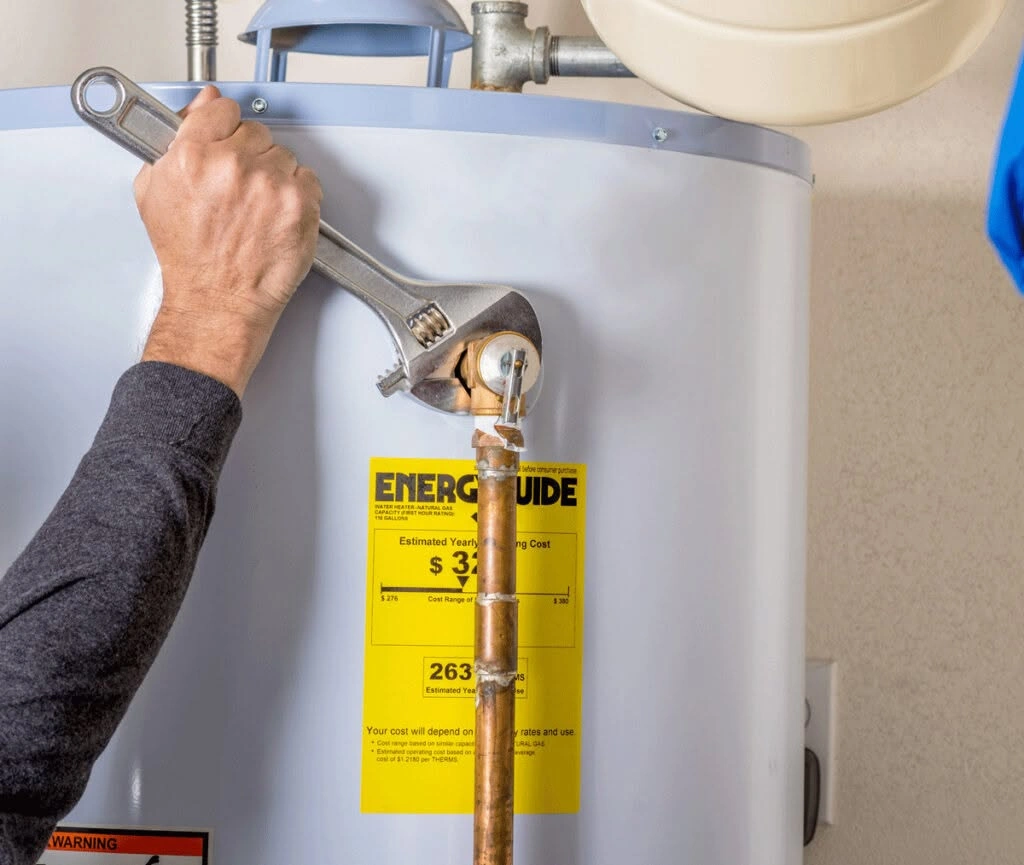

Your water heater is one of those almost invisible heroes in your home—it works quietly, heating water for showers, dishes, laundry, and more. But like many unsung heroes, it needs a little care now and then, and that includes the need to flush your water heater. One of the simplest and most effective maintenance tasks is flushing the tank. Here’s why it matters, how to do it safely, and what you’ll gain.
Table of Contents
What Happens Inside a Water Heater Tank
- Over time, minerals (like calcium, magnesium) and other sediments in water settle at the bottom of the tank.
- This sediment layer acts like an insulator: it keeps heat from transferring efficiently from the heating element (or burner) into the water.
- As buildup grows, the heater must expend more energy to reach the same water temperature.
- Sediment can also cause rusting, corrosion, or accelerate wear on parts like dip tubes, valves, or heating elements.
Key Benefits of Regular Flushing
- Better Energy Efficiency – When the tank is clear of sediment, your heater doesn’t have to work as hard. That means lower energy bills and a smaller carbon footprint.
- Longer Lifespan – Removing buildup regularly helps minimize stress on the heating mechanism and inner tank surfaces. With good maintenance, a water heater can last longer before needing replacement.
- More Reliable Hot Water Performance – You’ll get more consistent water temperatures, faster recovery after hot water use, less noise (no popping, rumbling or crackling due to trapped water or air + sediment), and fewer cold spots.
- Avoiding Damage & Repairs – Sediment can cause hot spots that degrade metal parts, clog valves, or cause pressure issues. That may lead to leaks or even a tank failure if left unchecked.
- Maintaining Warranty Protection – Many manufacturers’ warranties require regular maintenance. If you skip flushing, you might lose warranty coverage on certain failures.
How Often Should You Flush Your Water Heater?
- As a general rule: flush your water heater once a year in most homes.
- If you live in an area with hard water, more frequent flushing (every 6-9 months) may be necessary.
- Also, if you notice warning signs like cloudy or brownish hot water, noises from the heater, slower hot water recovery, or your energy bills creeping up—those are hints you’re due for a flush.
When to Call a Pro to Flush Your Water Heater
If any of these issues apply, consider hiring a plumber:
- The drain valve leaks or is corroded.
- The water coming out is very discolored or you suspect rust inside the tank.
- There are strong mineral deposits you can’t easily remove.
- You’re uncomfortable or unsure about dealing safely with gas or electricity.
- The unit is old (10+ years) and showing multiple signs of trouble (noise, leaks, inefficiency).
Water Heater Flushing at a Glance
- Minerals and other sediment settle at the bottom of the tank and act like an insulator between the burner or heating element and the water.
- Regular flushing supports better energy efficiency, a longer lifespan, more reliable hot water, fewer repairs, and warranty protection.
- Once a year is a good rule for most homes. If you have hard water, consider flushing more often.
- If you are not comfortable draining the tank, or you notice damage, call a plumber.
Pick a month, add a yearly reminder, and flush your water heater at the same time every year.
Water Heater Flushing FAQs
Why does a water heater need to be flushed?
Sediment builds up over time and can cause rusting, corrosion, and wear on parts such as dip tubes, valves, and heating elements. Flushing removes that buildup before it causes bigger problems.
Does flushing help my energy bills?
A tank that is clear of sediment does not have to work as hard to heat the water, which can mean lower energy bills.
Can I flush my water heater myself?
Some homeowners do, but the job involves hot water and gas or electric connections. If you are not comfortable with any step, ask a plumber to handle it.
Conclusion
Flushing your water heater may seem like a small task, but it provides big returns in savings, efficiency, performance, and long-term reliability. Once a year (or more often, if needed), a flush can make a real difference, not only in the comfort of your home but in your utility bills and the lifespan of your heater.