
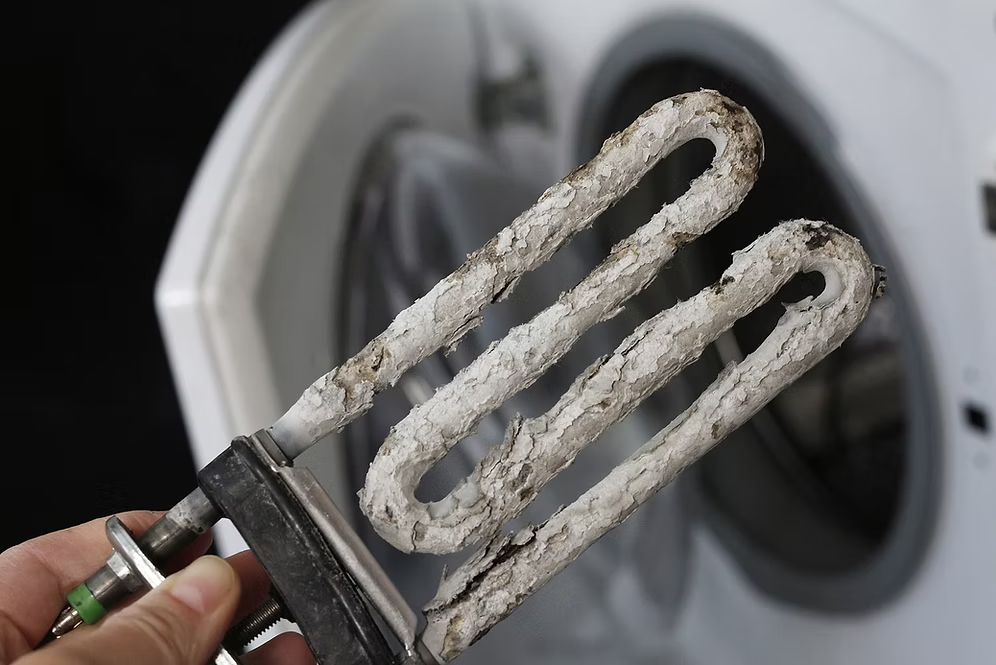

Hard water impacts your water heater more than many Idaho homeowners realize. While hard water is common throughout the state, the minerals it contains can slowly damage your system, reduce efficiency, and shorten its lifespan if not properly maintained.
Table of Contents
What Is Hard Water?
Hard water contains naturally occurring minerals, primarily calcium and magnesium. These minerals enter your home through groundwater and municipal water systems. When water is heated, those minerals separate and settle inside your water heater, forming a layer of sediment at the bottom of the tank or within internal components.
How Hard Water Impacts Your Water Heater
As sediment builds up, your water heater has to work harder to heat the water. Over time, this leads to several common issues:
- Reduced efficiency, which increases energy usage
- Higher utility bills
- Unusual noises, such as popping or rumbling
- Longer heating times and inconsistent hot water
- Premature wear, shortening the life of the unit
Tank-style water heaters are especially vulnerable to sediment buildup, but tankless systems are not immune. Hard water can clog heat exchangers and restrict water flow, leading to performance issues and expensive repairs if maintenance is skipped.
Signs Hard Water Impacts Your Water Heater
Some warning signs include cloudy or discolored hot water, inconsistent temperatures, reduced hot water supply, or noticeable noises coming from the unit. If left unaddressed, these issues can progress into more serious damage or complete system failure.
How to Protect Your Water Heater
The good news is that hard water damage can often be prevented with proper care. Regular maintenance is the most effective way to protect your investment.
- Annual water heater flushing helps remove sediment before it hardens
- Professional maintenance inspections catch problems early
- Routine tankless descaling keeps internal components working efficiently
- Water softeners can significantly reduce mineral buildup in hard water areas
Staying ahead of maintenance not only improves performance but also helps extend the life of your water heater.
How Hard Is Idaho’s Water?
The USGS classifies water as soft (0 to 60 mg/L), moderately hard (61 to 120 mg/L), hard (121 to 180 mg/L), or very hard (more than 180 mg/L) as calcium carbonate. Hardness varies from place to place, so the best way to learn about your own water is to ask your local water utility or health agency.
Hard Water and Your Water Heater: Quick Facts
- When hard water is heated, solid deposits of calcium carbonate can form and build up as scale.
- Tank-style water heaters are especially vulnerable to sediment buildup, but tankless systems are not immune.
- Common effects include reduced efficiency, higher utility bills, popping or rumbling noises, longer heating times, and premature wear.
Hard Water FAQs
Is hard water safe to drink?
Hardness is not a health concern, but it can be a nuisance. Hard water can cause mineral buildup in plumbing, fixtures, and water heaters.
Does hard water affect tankless water heaters too?
Yes. Scale can clog heat exchangers and restrict water flow in tankless systems, which can lead to performance issues and expensive repairs if maintenance is skipped.
How can I tell if hard water is affecting my water heater?
Watch for popping or rumbling noises, longer heating times, inconsistent hot water, and rising energy bills. If you notice any of these, have the unit inspected.
Work With Idaho’s Water Heater Specialists
At Just Water Heaters Idaho, we focus exclusively on water heater service, repair, and replacement. Our team understands Idaho’s hard water conditions and provides maintenance solutions designed to keep your system running efficiently year-round.
If your water heater is making noise, losing efficiency, or due for routine service, addressing hard water issues now can help prevent costly repairs later and ensure reliable hot water for your home.