
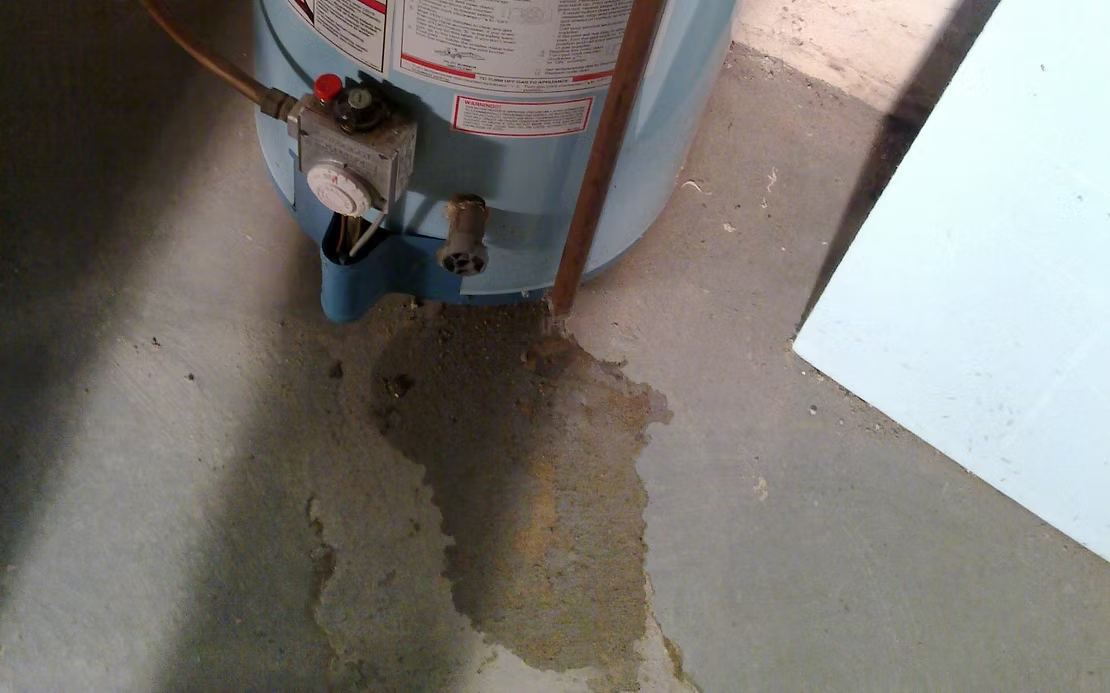

A leaking water heater is one of those problems that can sneak up on you. At first, you might just notice a small puddle or some dampness around the base, but left unchecked, a leak can cause major water damage, mold growth, or even a complete system failure. The good news is that most leaks give you warning signs before things get out of hand. Knowing what to look for and what steps to take can save you time, money, and stress.
Table of Contents
Common Signs of a Leaking Water Heater
- Puddles or Dampness Around the Base: Even a small amount of water can signal a bigger issue inside the tank or at the connections.
- Rust or Corrosion: Look for rust streaks on the tank, around fittings, or near the bottom. Corrosion often means water has been escaping slowly over time.
- Dripping or Moisture Around Pipes: Sometimes what looks like a “tank leak” is actually a loose fitting or a worn-out valve above the heater.
- Unexplained Drop in Hot Water Supply: If your system is losing water, it may not be able to keep up with normal demand.
- Higher Utility Bills: Leaks force your water heater to work harder, often showing up as an increase in gas or electric costs.
What Causes a Water Heater to Leak?
- Loose Drain Valve: The valve at the bottom of the tank may drip if it’s not fully closed or damaged.
- Faulty Temperature and Pressure Relief (T&P) Valve: If the system builds up too much pressure, this safety valve can release water.
- Corroded Tank: Over time, sediment buildup and rust eat away at the inside of the tank, eventually creating leaks.
- Old Age: Most water heaters last 8–12 years. Once they’re past that point, leaks are far more common.
What to Do If You Spot a Leaking Water Heater
- Shut Off the Water Supply: Find the cold water shutoff valve on top of the heater and turn it clockwise to stop water flow.
- Turn Off Power/Gas: For electric units, shut off the breaker. For gas, switch the gas control valve to “off.”
- Identify the Source: Check if the leak is coming from a valve, pipe connection, or the tank itself.
- Call a Professional: Small leaks from valves or fittings may be repairable. If the tank itself is leaking, replacement is usually the only option.
Prevention Tips
- Flush the Tank Annually: This reduces sediment buildup that accelerates corrosion.
- Inspect Valves Regularly: Make sure the T&P valve and drain valve are functioning properly.
- Check for Hard Water Issues: In areas with hard water (like much of Idaho), mineral buildup can shorten your heater’s lifespan. Consider a water softener to protect your system.
Leaking Water Heater Quick Reference
- Common signs include puddles or dampness at the base, rust or corrosion, dripping near the pipes, an unexpected drop in your hot water supply, and higher utility bills.
- If you spot a leak, shut off the water supply to the tank and the power or gas, then call a professional.
- Regular inspections and maintenance help catch small problems before they become leaks.
A small leak can lead to major water damage, mold growth, or a complete system failure, so treat any leaking water heater as urgent.
Leaking Water Heater FAQs
Is a leaking water heater an emergency?
Treat it as urgent. A small puddle can grow into major water damage, mold growth, or a complete system failure if it is left unchecked.
Can a leaking water heater be repaired?
It depends on the source. A loose drain valve or fitting may be a simple fix, while a leak from the tank itself usually means the unit has reached the end of its life. A professional can inspect it and explain your options.
Final Thoughts
Catching a leaking water heater early can save you from costly water damage and unexpected cold showers. If you notice any signs of moisture, don’t ignore it, take action quickly to prevent bigger problems.
Not sure what you’re looking at, or already dealing with a leak? Call Just Water Heaters today. We’ll inspect your system, explain your options, and get your home back to reliable hot water fast.