

No one likes a cold shower, especially during an Idaho winter. Yet for many homeowners, it’s easy to ignore the signs you need to replace your water heater—until it’s too late. If your system is showing signs of wear, now is the time to act. In this post, we’ll walk through the most common signs it’s time to replace your water heater, and what you should do next.
Table of Contents
1. Your Water Heater Is Over 10 Years Old
The average lifespan of a traditional tank-style water heater is 8 to 12 years. If yours is creeping past the decade mark, it’s wise to start planning to replace your water heater. Even if it’s still producing hot water, aging components can lead to sudden failures, water damage, and higher energy use.
Tip: You can find the age by checking the serial number on the manufacturer’s label.
2. Rusty or Discolored Water
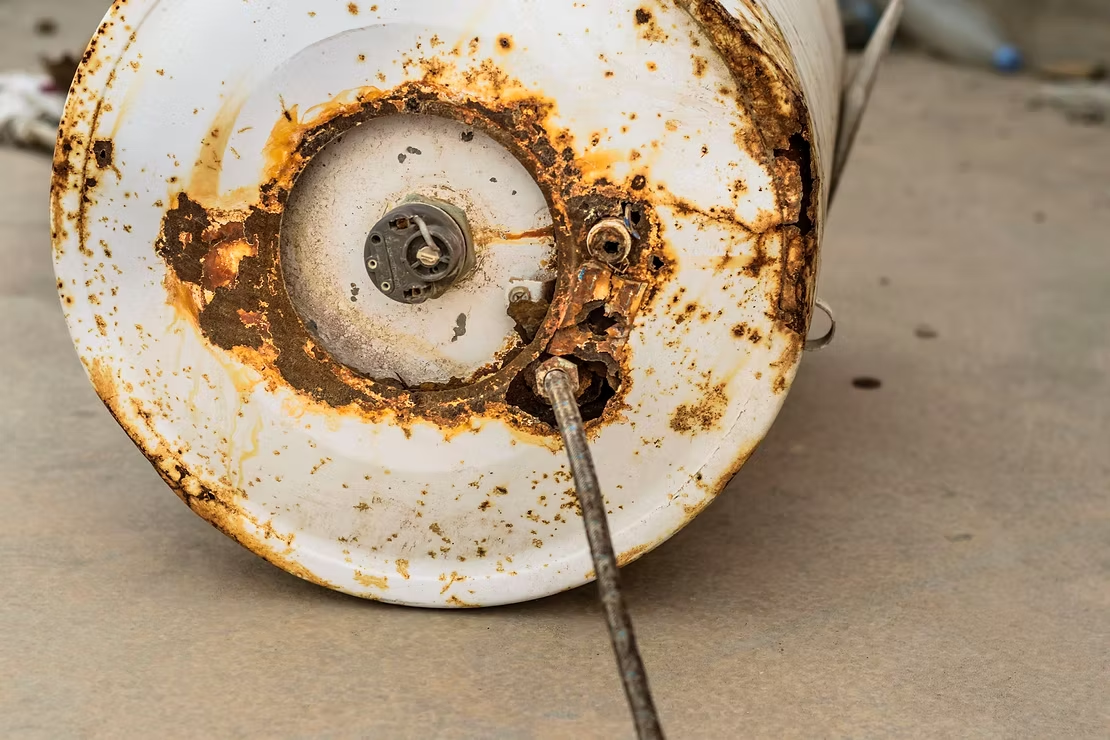
Noticing brown, rusty, or tinted water coming from your hot water taps? This could be a sign your tank is rusting from the inside. If left unaddressed, internal corrosion can lead to leaks or contamination. If the issue only affects your hot water, your heater is the likely culprit.
3. Inconsistent or Lukewarm Water
Does your shower run hot, then cold, or never heat up quite enough? Inconsistent water temperatures often signal sediment buildup or failing heating elements. This issue reduces efficiency and can shorten your system’s life span.
4. Strange Noises Coming from the Tank
Popping, banging, or rumbling noises are usually caused by hardened sediment inside the tank. As the sediment heats up and breaks apart, it creates noise—and stress on the tank walls. Over time, this can lead to overheating or cracking.
5. Moisture or Leaks Around the Base
Any visible moisture or pooled water around your water heater is a red flag. It could be a loose connection, or worse, a cracked tank. Even small leaks can cause major damage to floors, drywall, and your home’s foundation.
6. Higher Energy Bills
If your energy costs are creeping up but your water usage hasn’t changed, an inefficient or overworked water heater might be the cause. Older systems require more power or gas to deliver the same amount of hot water.
7. Frequent Repairs
Have you called in a technician more than once in the last year? If repairs are becoming routine, it’s likely time to replace the system altogether. A new water heater can save you money, improve efficiency, and give you peace of mind.
Quick Checklist: When to Replace Your Water Heater
- Your water heater is at or past the typical lifespan for its type.
- You see rusty or discolored hot water.
- Hot water is inconsistent or lukewarm, or it runs out faster than it used to.
- You hear popping, banging, or rumbling noises from the tank.
- There is visible moisture or pooling water around the unit.
- Your energy bills are climbing without a change in usage.
- You have called a technician for repairs more than once recently.
If two or more of these apply, have a professional take a look before the unit fails. Planning a replacement on your own schedule is usually easier than an emergency call.
Replacing Your Water Heater FAQs
How do I know how old my water heater is?
The age is usually shown on the manufacturer’s label on the tank. The tip in the first section above explains where to look.
Should I repair or replace my water heater?
If your unit is older, needs frequent repairs, or shows several of the signs above, replacement is often the smarter investment than paying for another repair.
Know the Signs: Replace Your Water Heater Before It Fails
At Just Water Heaters, we help Idaho homeowners recognize problems early—before you
‘re left without hot water. If you’re seeing any of the signs above, give us a call. We’ll inspect your system and recommend whether a repair or full replacement makes the most sense for your needs and budget.
Contact us today for a free consultation
Don’t wait to replace your water heater until it quits completely—your comfort (and your wallet) will thank you.